Custom vs. templated real estate websites: an honest comparison.
Start with the case for templates, because it’s real
Most advice on this question is written by people selling one of the two answers. So here is the part that usually gets skipped: for a lot of agents, a templated real estate platform is the correct choice, and paying for a custom build instead would be a waste of money.
Templated platforms are fast. You can be live in days, not weeks. They bundle IDX, a CRM, drip campaigns, and lead routing into one subscription, which means one vendor, one bill, and one support number. The IDX integration is already solved for most major MLSs. For a solo agent or a two-person team whose main problem is “I need a professional-looking website and a place for leads to land,” that bundle is genuinely good value, and the alternative — assembling the same capabilities from separate parts — is more work than the outcome justifies.
If that describes your situation, the honest answer is to buy the template, spend the saved money on something that actually differentiates you, and stop reading here.
Where the tradeoff starts to cost more than it saves
The economics change when the website stops being a brochure and starts being the thing your business is supposed to run on.
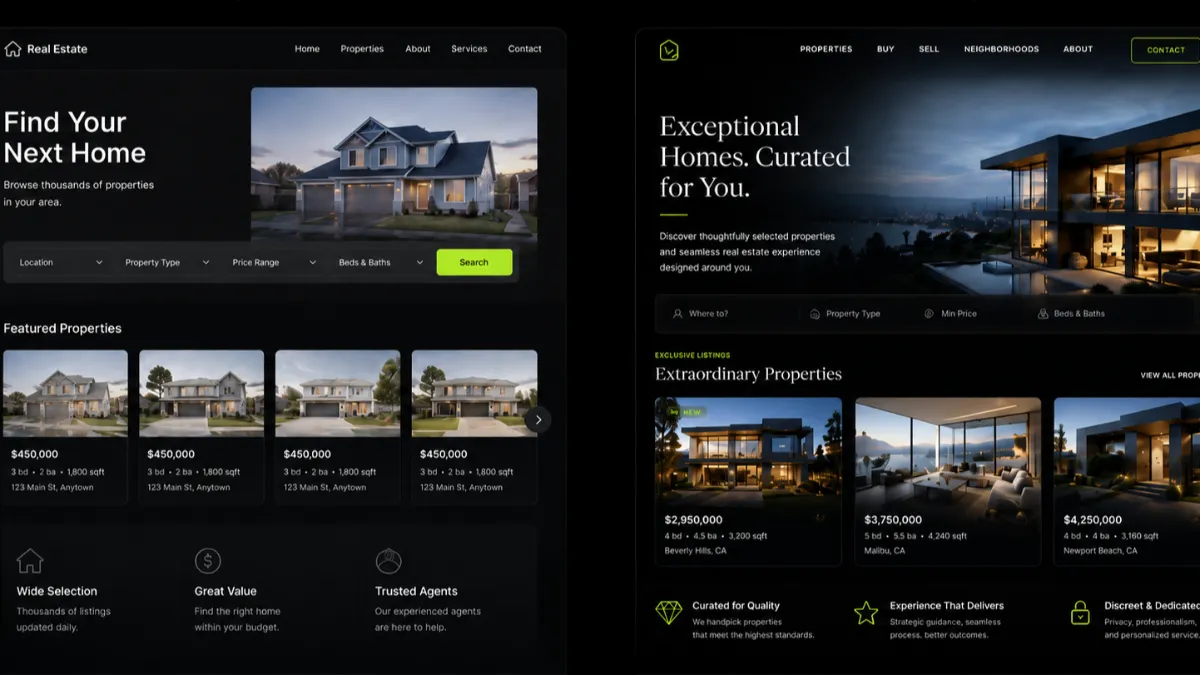
Every competitor gets the same site. Template platforms sell the same handful of themes across their entire client base. That is the business model — it is why they can charge what they charge. The consequence is that a buyer comparing three brokerages in your market may see three sites that differ only by logo and photo. If your entire pitch is that you are not interchangeable with the other firms in town, a site that is visibly interchangeable undercuts it before anyone reads a word.
You are optimizing inside someone else’s ceiling. Page speed, layout, how pages are structured for search, how much you can customize, how the property search behaves on a phone — on a template platform, much of that is determined by the vendor. You can work within the options they give you, but there are limits. When a page is slow because of the platform itself, making it faster may not be something your web partner can simply fix. You are waiting on the platform to change.
Small changes are incredibly difficult. Wanting a different lead form on one page, a section the theme doesn’t include, or a landing page shaped around one neighborhood tends to run into the same wall: the platform supports what it supports. Teams end up bending their marketing to fit the tool.
You usually don’t own it. This is the one that gets discovered late. On many platforms, leaving means leaving behind the site, the URLs, sometimes the content, and occasionally meaningful parts of the contact history. The monthly fee is not really rent on software — it is rent on your web presence. A custom build on infrastructure you control can be moved, rebuilt, or handed to someone else. That difference costs nothing until the day it costs everything.
Where custom actually earns its price
Custom is not automatically better. It is better when at least one of these is true.
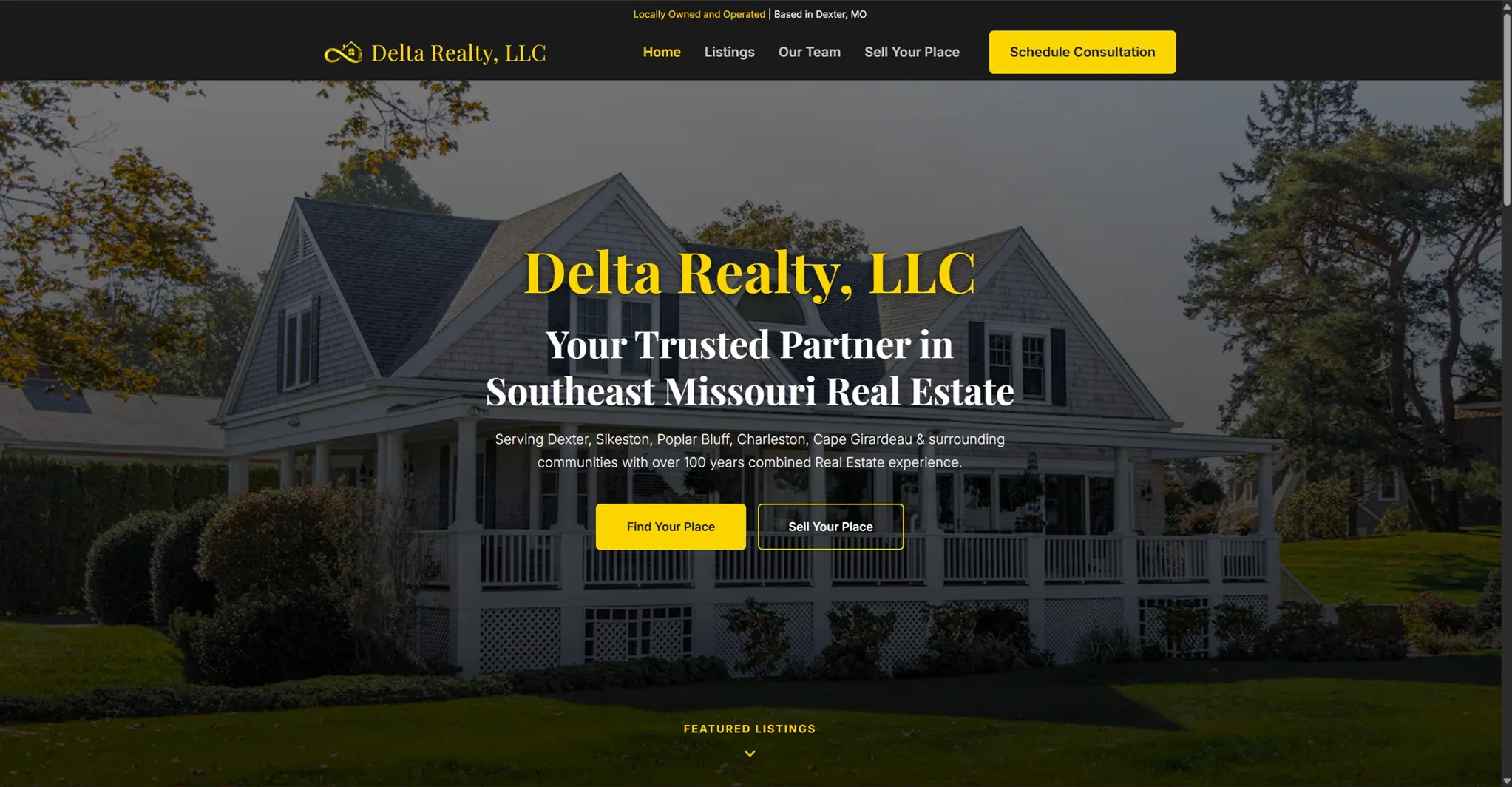
Your brand is a real asset. If your reputation in your market is the reason people call you, a site that looks like everyone else’s is actively working against the thing you spent years building.
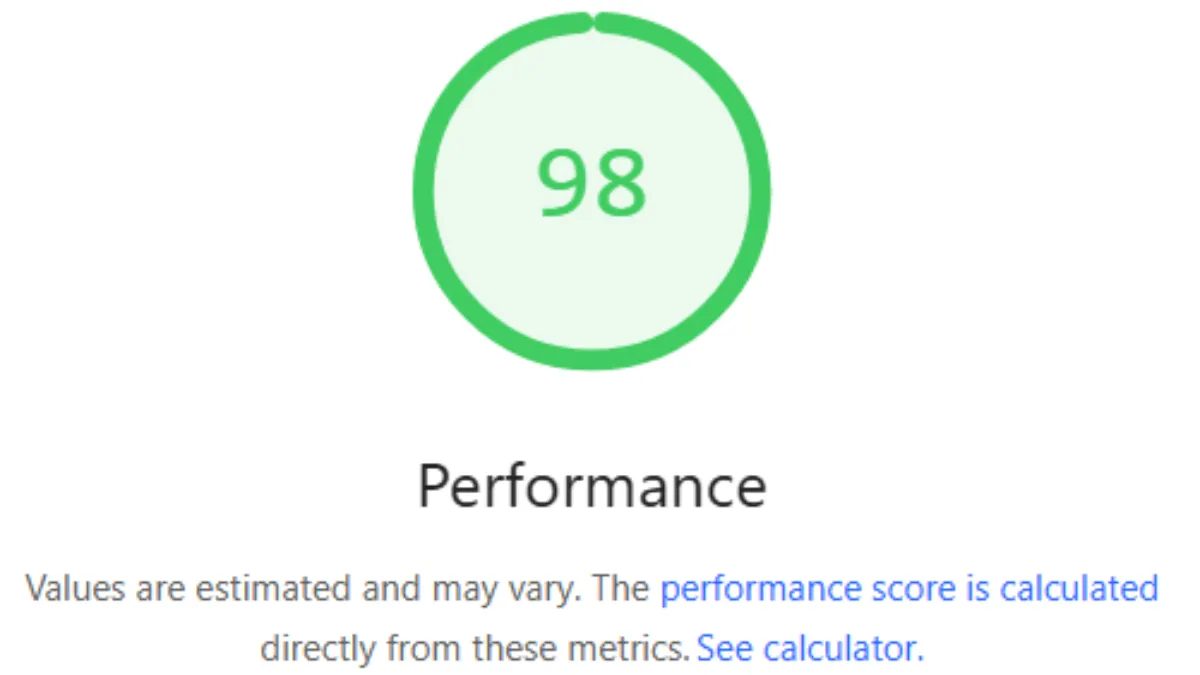
Performance and search visibility matter to your pipeline. If a meaningful share of your business should be coming from people who find you rather than people who already know you, you need control over speed, structure, and how the site is built for discovery. Those are precisely the levers a template holds.
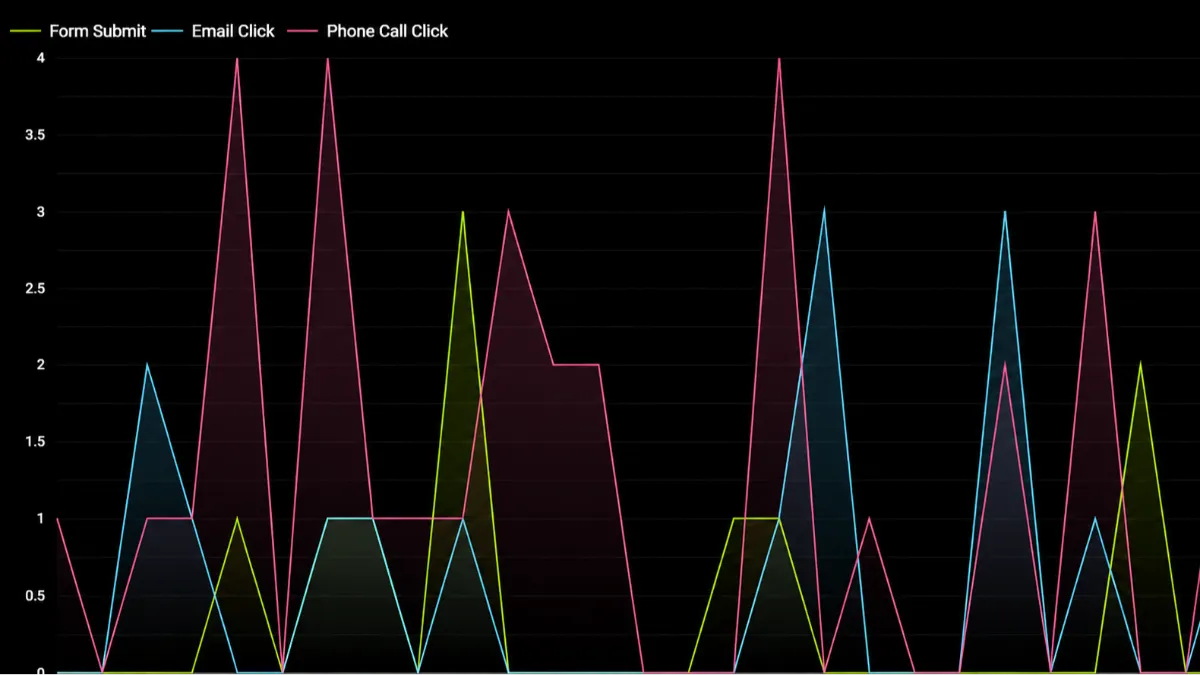
You need the pieces to work as one system. Website, property search, lead capture, CRM, analytics, and ads only become more valuable when they are wired together deliberately — knowing where a lead came from, getting that lead to the right person quickly, and seeing which pages and campaigns actually produce business. Bundled platforms can give you all the parts; they do not necessarily make those parts work together as one system.
You are planning beyond this year. A custom build is an asset that improves as you add to it. A subscription is a cost that resets every month with roughly the same site at the end of it.
The part everyone gets wrong: IDX is a separate question
In many real estate websites today, both custom and templated builds still rely on a third-party IDX platform to connect property search to the MLS. That means the search experience has its own technology, capabilities, and constraints regardless of how the rest of the website is built.
The difference is how deliberately that IDX layer is handled. On a custom build, the website around it can be engineered to a much higher standard, while the IDX experience itself can be configured, styled, simplified, and integrated so it feels like part of the brokerage’s brand rather than a separate system. A well-built IDX experience can be fast, polished, and genuinely easy to use. But the underlying platform still influences what is possible, which is why choosing the right technology — and implementing it well — matters.
We wrote about that distinction in more detail in why IDX experiences get slow.
How to tell which situation you’re actually in
Three questions, answered honestly:
- If a buyer put your site next to your two closest competitors’, would they see a difference? If not, you are paying for a website that does not do the one job a website does.
- Where does your business actually come from — referrals and existing relationships, or people finding you? If it is almost entirely the former, a template is fine and search investment is premature. If you want the latter to grow, you need control over the machinery that produces it.
- What happens if you leave your current platform? If the answer is “I start over,” you have been renting, and you should know what the rent buys.
The wrong version of this decision is picking custom because it sounds more serious, or picking a template because it is cheaper this month. The right version is understanding the problem you actually have and choosing the level of investment that fits both where your business is today and where you want it to go.
If you are not sure which of the three answers describes you, that is most of what a Lead System Audit is for — we look at what your current setup is doing, tell you plainly whether it is the thing holding you back, and give you a clear picture of what is.