Why real estate IDX experiences get slow — and how we keep the surrounding site fast.
The property search is where buyers actually spend their time
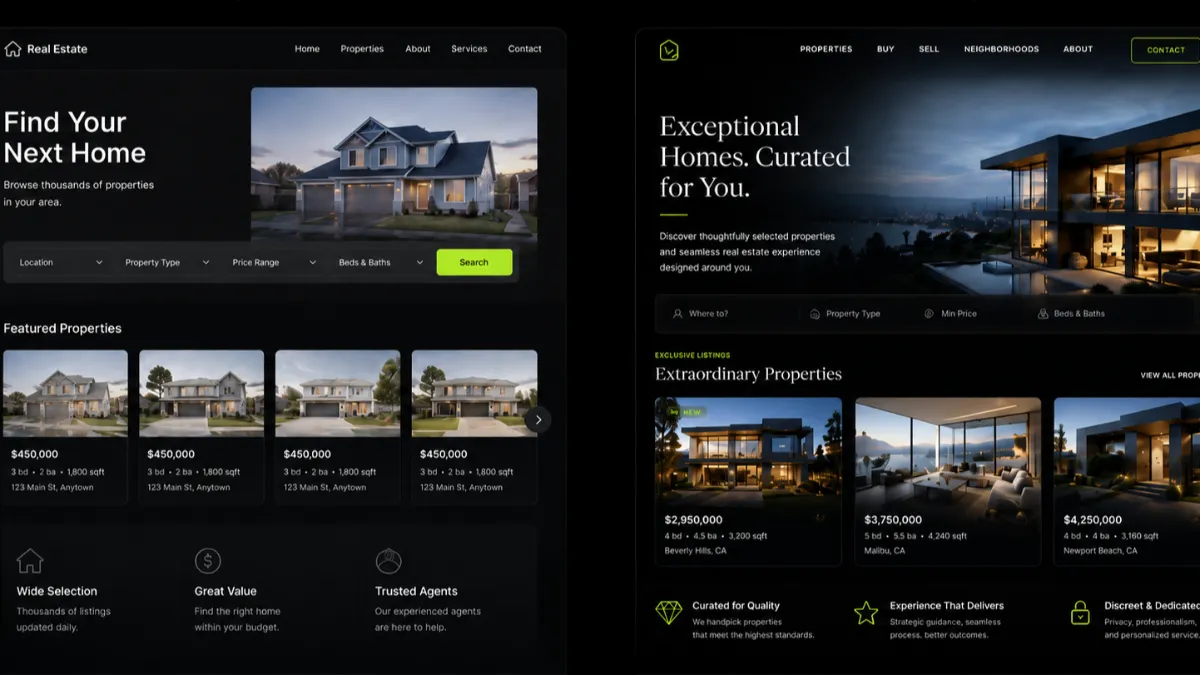
A real estate website is really two systems stitched into one experience: the pages a brokerage controls directly — home, about, results, the request forms — and the property search, which almost always runs through a third-party IDX platform tied to the local MLS. Buyers spend most of their time in the second system, and it’s usually the slower one. Real estate platforms routinely reuse the same handful of themes across their whole client base, then pair them with a slow, clunky IDX search — buyers feel that friction and bounce before listings even load.
That split matters because it changes what “fix the speed” actually means. An IDX platform’s interface is the vendor’s code, running on the vendor’s release schedule, tied to whichever MLS a brokerage belongs to — for Delta Realty, that’s MARIS. You can’t engineer someone else’s platform the way you engineer your own. What you can do is build everything you do control to a real, verified standard, and treat the vendor layer as its own discipline — one with real constraints, and real room to be done well or badly.
Two systems, two standards
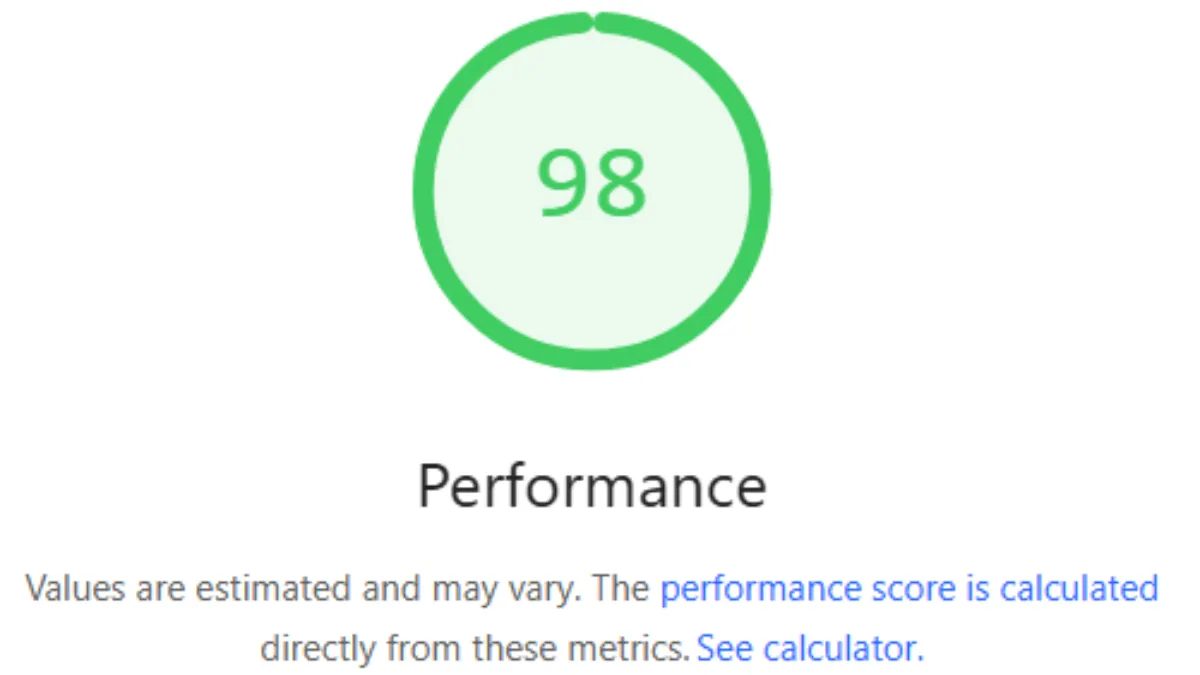
For the pages we control, mobile PageSpeed isn’t a nice-to-have — it’s a standard we verify at launch rather than assume: 90-plus mobile PageSpeed, sub-2-second load, zero layout shift. Too many real estate websites crawl on mobile. The fix is to engineer the pages you control to actually score well, instead of letting a slow IDX widget become the excuse for a slow site built around it.
The IDX layer gets a different kind of attention. We configure the property-search experience to match the brokerage’s MLS and brand, and optimize it within the limits of the platform it runs on — the goal is a fast, intuitive search buyers actually enjoy, one that keeps them browsing listings on the brokerage’s own site instead of bouncing back to a portal like Zillow. That is a different kind of work than building a page from scratch, because the provider’s interface is their code. But it is not a lost cause: configured carefully, that layer can be fast, clean, and genuinely pleasant to search. Implementation is most of what separates a good IDX experience from a bad one — and the platform underneath sets the boundary on how far it can go.
What that looked like for Delta Realty
Delta Realty, LLC’s previous website ran on a generic, dated template — the same look thousands of brokerages share — and its search visibility had flatlined into brand-only. Buyers searching terms like “homes for sale dexter mo” or “find realtor dexter mo” found Delta on page two, three, or sometimes page four of Google, where clicks are far more rare.
We rebuilt Delta from the ground up: a custom, mobile-first build matched to their brand, a brand-matched IDX property search on MARIS, and lead capture, analytics, and a technical SEO foundation wired in behind it. The full breakdown — including the dated screenshots behind every number below — is in the Delta Realty case study.
A five-run mobile PageSpeed median captured August 12, 2026 put the site at 96. In the first 41 days after the June 19, 2026 launch, Google Search impressions rose 73% and organic clicks rose 18%. By August 12, 2026 — day 54 — Delta had moved “find realtor dexter mo” from the middle of page two to page one, both in Google’s local pack and as an organic result, and ranked first for “sell my house dexter mo,” named first in Google’s AI Overview and as the first organic result. Beyond any single term, Delta reached page one for eleven of its core non-brand searches, buyer and seller intent alike, from a Dexter-pinned, non-personalized search in August 2026.
Those are early signals from a site only weeks old, not a finish line — and they carry their own measurement windows deliberately. The traffic figures cover the first 41 days post-launch, and the rankings are a single dated capture, because rankings move. Neither claim borrows the other’s timeframe.
The takeaway
If a real estate site feels slow, the honest answer is that two different jobs are hiding inside one complaint. The pages you own should be engineered to a real, verified standard and held to it. The search experience should be configured and integrated as carefully as anyone can manage — which is a great deal further than most brokerages ever see — while being straight about the fact that the platform underneath sets a boundary. What you should not accept is a vendor’s constraints becoming the reason the rest of the site never gets held to a standard at all.
Working out which of the two is costing you more is most of what a Lead System Audit does: we look at the pages you control and the search experience you don’t, and tell you which one to fix first.